Top 10 Highest ROI Improvements for Sellers
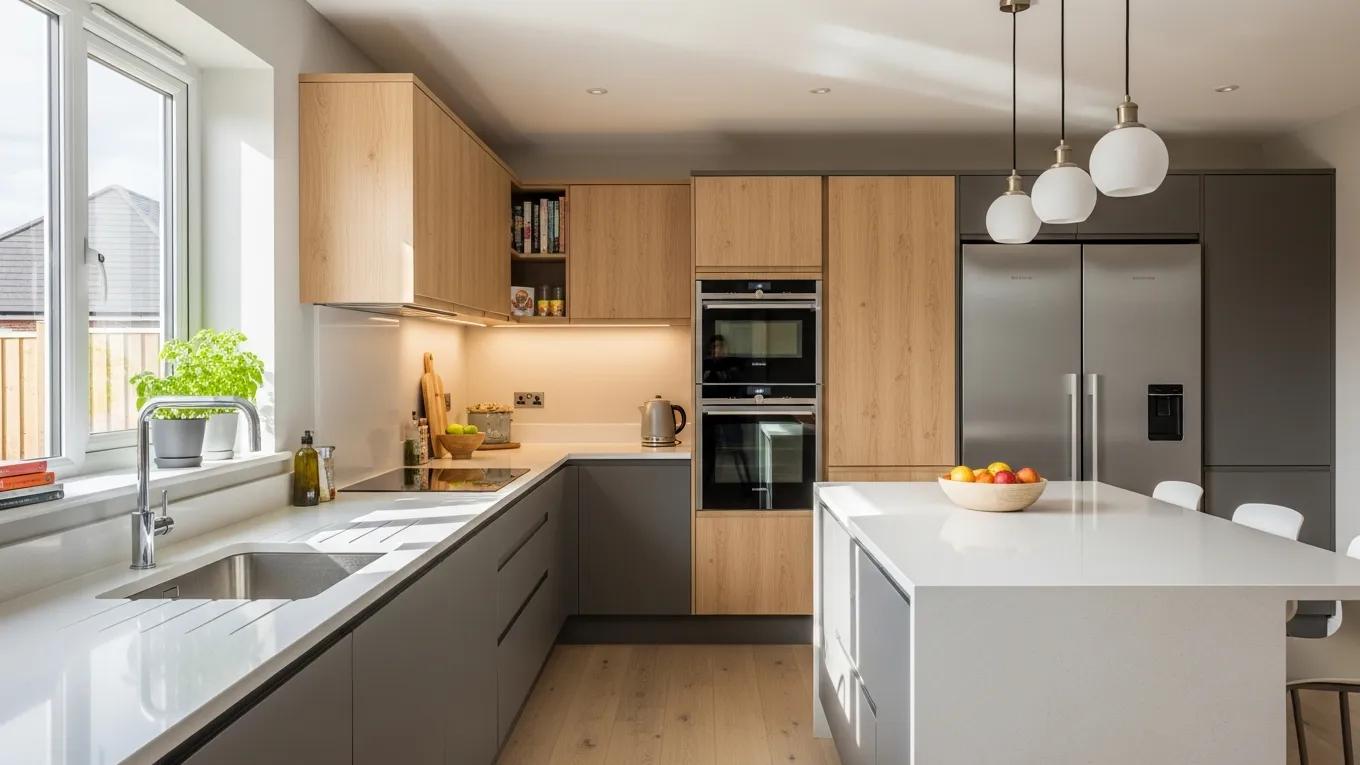
Top 10 Highest ROI Home Improvements for Sellers in Canada: Cost-Effective Upgrades That May Improve Resale Value
Homeowners preparing to sell their properties in Canada often seek practical ways to enhance their home’s value without incurring excessive costs. Understanding which home improvements typically yield the highest return on investment (ROI) can help sellers maximize resale value and attract potential buyers. This comprehensive guide explores the top ten home improvements that Canadian sellers, particularly in Ontario markets such as Toronto, Vaughan, Mississauga, Brampton, and Markham, can consider to boost their property’s appeal and market price effectively. From minor kitchen refreshes to energy-efficient upgrades, we discuss the benefits, considerations, and cautions for each improvement. Additionally, we introduce practical tools and strategies to help sellers make informed decisions about their investments.
Quick Summary
- The best home improvements for sellers are usually the ones that improve buyer confidence, presentation, function, and perceived maintenance.
- Cosmetic upgrades such as paint, lighting, flooring, and curb appeal can often be more cost-effective than major renovations.
- Kitchen and bathroom updates may help resale appeal, but overspending can reduce return.
- Repairs, cleaning, staging, and professional presentation can matter as much as expensive upgrades.
- In Ontario markets, sellers should compare improvements with recent comparable sales, active listings, buyer expectations, and neighbourhood price limits.
How to Think About ROI Before Renovating to Sell
Return on investment (ROI) in home improvements is not solely about the direct cost versus the sale price increase. Instead, sellers should consider how upgrades reduce buyer objections, align with the property type, and meet local buyer expectations. Over-improving a home beyond the neighbourhood standard can sometimes reduce the overall return, as buyers may not be willing to pay a premium for features uncommon in the area. It is important to compare upgraded and non-upgraded comparable sales to understand market preferences. Renovation decisions should also factor in timing, budget constraints, necessary permits, workmanship quality, and current market demand to ensure the improvements contribute positively to the sale process.
Top 10 High-Impact Improvements for Sellers
The Top 10 Improvements Explained
1. Deep Cleaning and Decluttering
Buyers often form their first impression based on cleanliness and space perception. Deep cleaning removes dirt, odors, and grime, making the home feel fresh and well-maintained. Decluttering helps rooms appear larger and more inviting by removing personal items and excess furniture. This improvement is low cost and can be done shortly before listing. Sellers should avoid neglecting this step, as poor presentation can significantly reduce buyer interest.
2. Interior Painting
Applying fresh, neutral paint colors can modernize a home and create a blank canvas for buyers to envision their own style. Neutral tones such as soft grays, beiges, and whites tend to appeal to a broad audience. Painting is a relatively affordable upgrade that can brighten rooms and cover minor imperfections. Sellers should avoid bold or highly personalized colors that may limit buyer appeal and require repainting after purchase.
3. Lighting Upgrades
Good lighting enhances the ambiance and functionality of a home. Upgrading to brighter, energy-efficient bulbs and modern fixtures can make rooms feel more welcoming and spacious. Proper lighting also improves photography quality for listings. When selecting fixtures, sellers should choose styles that complement the home’s architecture and avoid overly trendy designs that may not appeal to all buyers.
4. Minor Kitchen Refresh
While full kitchen renovations can be costly, minor updates such as replacing cabinet hardware, updating countertops, adding a new backsplash, or installing modern fixtures can significantly improve the kitchen’s appearance. These changes can increase buyer interest without the expense of a complete remodel. Sellers should be cautious about investing in luxury finishes that may not align with the neighbourhood or recoup their costs.
5. Bathroom Refresh
Bathrooms are key selling points, and clean, modern bathrooms can boost buyer confidence. Refreshing grout, replacing outdated fixtures, updating lighting, and ensuring plumbing is in good condition can make a big difference. Sellers should ensure that waterproofing and workmanship are sound to avoid future issues that could deter buyers or reduce offers.
6. Flooring Repair or Replacement
Consistent and well-maintained flooring improves the flow and overall presentation of a home. Repairing damaged areas or replacing worn carpets with durable, market-appropriate materials such as hardwood or quality laminate can enhance appeal. Sellers should consider the style preferences of their target market and avoid overly expensive flooring that may not yield proportional returns.
7. Curb Appeal Improvements
The exterior of a home creates the first impression and can influence buyer interest before they even enter. Simple improvements like fresh paint on the front door, power washing siding, repairing walkways, and maintaining landscaping can make a significant impact. Sellers should avoid costly landscaping projects that may not add value proportionate to their expense.
8. Basic Repairs and Maintenance
Addressing visible repairs such as leaky faucets, cracked tiles, squeaky doors, and peeling paint reduces buyer objections during showings and inspections. Sellers should also consider having qualified trades inspect for hidden issues to prevent surprises that could delay or derail a sale. Timely maintenance signals to buyers that the home has been cared for.
9. Staging and Furniture Layout
Professional or well-planned staging helps buyers visualize how spaces can be used, making rooms feel larger and more functional. Proper furniture placement highlights key features and flow. Poor staging, however, can make rooms feel cramped or uninviting. Sellers should aim for a balanced, neutral style that appeals to a wide audience.
10. Energy Efficiency and Mechanical Updates
Upgrades such as improved insulation, energy-efficient windows, modern heating and cooling systems, and smart thermostats can reduce future utility costs and appeal to environmentally conscious buyers. While these improvements may not always increase the sale price directly, they can protect value and reduce time on market. Sellers should weigh the cost and timing of these upgrades carefully.
Ontario Examples: Which Upgrades Matter by Market
Home improvement priorities can vary across Ontario’s diverse real estate markets. Here are some practical examples:
- Toronto condo: Painting, lighting, flooring, minor kitchen and bathroom refreshes, staging, parking availability, locker condition, view quality, and building maintenance are key factors influencing buyer interest. Explore Toronto properties on Homsy.ca.
- Vaughan detached home: Curb appeal, kitchen condition, basement usability, flooring, landscaping, school zones, and lot size often impact resale value. View Vaughan properties at Homsy.ca.
- Mississauga townhouse: Fresh paint, flooring, lighting, kitchen refresh, and clean presentation help compete with similar listings. Browse Mississauga properties on Homsy.ca.
- Brampton freehold home: Repairs, basement condition, parking, layout, and buyer affordability are important considerations. Search Brampton homes at Homsy.ca.
- Markham family home: School zones, functional layout, quality finishes, and move-in readiness can affect resale appeal. View Markham properties on Homsy.ca.
Improvements Sellers Should Be Careful With
Some upgrades may not always create strong ROI or could even deter buyers if not aligned with market expectations. Sellers should be cautious with:
- Luxury custom renovations that exceed neighbourhood standards
- Very expensive landscaping projects with limited resale impact
- Swimming pools, which can limit buyer pool and increase maintenance concerns
- Highly personalized design choices that may not appeal broadly
- Major additions without proper permit review and compliance
- Basement renovations lacking proper permits or compliance with building codes
- Replacing mechanical systems solely for cosmetic reasons without functional need
- Renovations completed with poor workmanship that may raise inspection issues
Cost-Effective Upgrade Checklist Before Listing
Seller Improvement Checklist
- Remove clutter and personal items.
- Deep clean the full property.
- Repair obvious visible issues.
- Paint high-traffic rooms if needed.
- Improve lighting and replace burned-out bulbs.
- Refresh kitchen and bathroom details where cost-effective.
- Review flooring condition.
- Improve curb appeal and entry presentation.
- Stage key rooms for photos and showings.
- Compare your property against active listings before spending more.
For sellers interested in exploring available properties and market trends, visit Homsy.ca to explore Ontario homes, or use the Homsy.ca map for a geographic search. Specific city listings include Toronto, Vaughan, Mississauga, Brampton, Markham, Oakville, Richmond Hill, and Burlington.
FAQ
1. What home improvements usually offer the best ROI for sellers?
Improvements that enhance buyer confidence, presentation, and function—such as deep cleaning, neutral painting, lighting upgrades, minor kitchen and bathroom refreshes, and curb appeal enhancements—often provide the best return. However, ROI varies by market and property type.
2. Should I renovate before selling my home?
Renovations can help sell a home faster and potentially at a higher price, but sellers should carefully evaluate costs, market conditions, and buyer expectations. Consulting with real estate professionals and comparing similar properties is recommended before investing.
3. Is a kitchen renovation always worth it before selling?
Minor kitchen updates can improve appeal, but full luxury renovations may not recoup their costs. The decision depends on the property’s condition, neighbourhood standards, and budget.
4. Do bathroom updates increase resale value?
Clean, modern bathrooms generally improve buyer confidence and can enhance resale value. Focus on repairs, fixture updates, and good workmanship rather than costly overhauls.
5. What low-cost upgrades help sell a home?
Deep cleaning, decluttering, fresh neutral paint, lighting improvements, and basic repairs are cost-effective ways to improve buyer perception and marketability.
6. Can over-renovating reduce ROI?
Yes. Over-improving beyond neighbourhood standards can limit buyer interest and reduce the return on investment. It is important to align upgrades with local market expectations.
7. Should I stage my home before listing?
Staging can help buyers visualize the space and often leads to faster sales and higher offers. Professional staging or well-planned furniture layout is recommended.
8. Do home improvements guarantee a higher sale price?
No. While improvements can enhance appeal and reduce objections, they do not guarantee a higher sale price. Market conditions, location, and buyer preferences also play significant roles.
Disclaimer: Home improvement ROI, renovation value, resale impact, pricing expectations, and market trends are provided for general informational purposes only. Renovations and upgrades do not guarantee a higher sale price or specific return on investment. Sellers, buyers, investors, and real estate professionals should verify renovation costs, permits, property value, and resale strategy with qualified contractors, appraisers, real estate professionals, lenders, lawyers, accountants, and official data sources.