Home Inspection Checklist for Toronto Buyers

Home Inspection Checklist for Toronto Buyers: Your Ultimate Guide to Pre‑Purchase Inspections and Saving Money
Buying a home in Toronto can feel overwhelming, especially when you want to be sure the property is in excellent condition. A thorough home inspection in Toronto is one of the best protections against surprise repairs and unexpected costs. This comprehensive guide explains what a pre‑purchase home inspection in Toronto typically covers, what to expect during the inspection visit, and how to use the findings to save money. Too many buyers miss important items that later turn into costly problems — follow this detailed checklist to learn the core inspection elements, common issues in Toronto homes, and practical preparation tips for a successful inspection.
Thorough pre‑purchase inspections matter: past cases highlight the need for buyer vigilance and clearer defect disclosure from sellers.
Pre-Purchase Inspections: Buyer Due Diligence & Defect Disclosure
Court decisions show that many buyers still skip their duty to get pre‑purchase inspections, and some sellers have concealed defects or misrepresented a property’s condition. The paper recommends better consumer education for both buyers and sellers and suggests expanding tribunal jurisdiction to cover disputes about property condition.
Home buyers’ and vendors’ behaviours: analysis of judicial decisions, NC Abdullah, 2017
Key Takeaways
- A Toronto pre-purchase home inspection checks the property’s condition to prevent costly repairs.
- Inspections cover structural elements, systems, appliances, and safety concerns like mold and asbestos.
- Common Toronto home defects include water damage, electrical issues, and roofing problems.
- Buyers should prepare by gathering documents, creating a checklist, and attending the inspection.
- Schedule inspections soon after offer acceptance to allow time for negotiations or repairs.
- Homsy’s commission model saves money, allowing funds for comprehensive home inspections.
- Use inspection findings to negotiate repairs or price adjustments before finalizing the purchase.
- Review inspection reports carefully and consult professionals for repair estimates and advice.
What Does a Pre Purchase Home Inspection Include in Toronto?
A Toronto pre‑purchase home inspection is a systematic and detailed check of the property’s overall condition. Professional home inspectors typically review the roof and foundation, test plumbing and electrical systems, and examine heating and cooling equipment to confirm safety and functionality. The goal is to identify issues that could affect the home’s value, safety, or livability. Local regulations or municipal requirements can influence what an inspection covers, so always ask your inspector about any Toronto‑specific checks or standards.
Key Components of a Residential Property Inspection in the GTA
Knowing what professional inspectors examine helps you make smarter, informed decisions. A thorough home inspection usually covers these core areas:
- Structural Elements: A detailed review of the foundation, exterior and interior walls, and the roof for signs of damage, deterioration, or structural concerns.
- Systems and Appliances: Comprehensive tests and visual checks of plumbing, electrical systems, and HVAC equipment to confirm they work properly and meet safety codes.
- Safety Concerns: Identification of potential hazards such as mold, asbestos, or unsafe wiring that could affect occupants’ health and safety.
| Component | Description | Importance |
|---|---|---|
| Structural Elements | Inspection of foundation, walls, and roof for damage or wear | Confirms the home’s stability and long‑term durability |
| Systems and Appliances | Evaluation of plumbing, electrical, and HVAC performance | Ensures safe, functioning systems and code compliance |
| Safety Concerns | Spotting hazards like mold, asbestos, or faulty wiring | Protects occupant health and reduces liability |
These thorough checks provide a clear and detailed picture of a property’s condition and often guide negotiation or repair decisions during the home buying process.
Common Home Defects Found in Toronto Properties
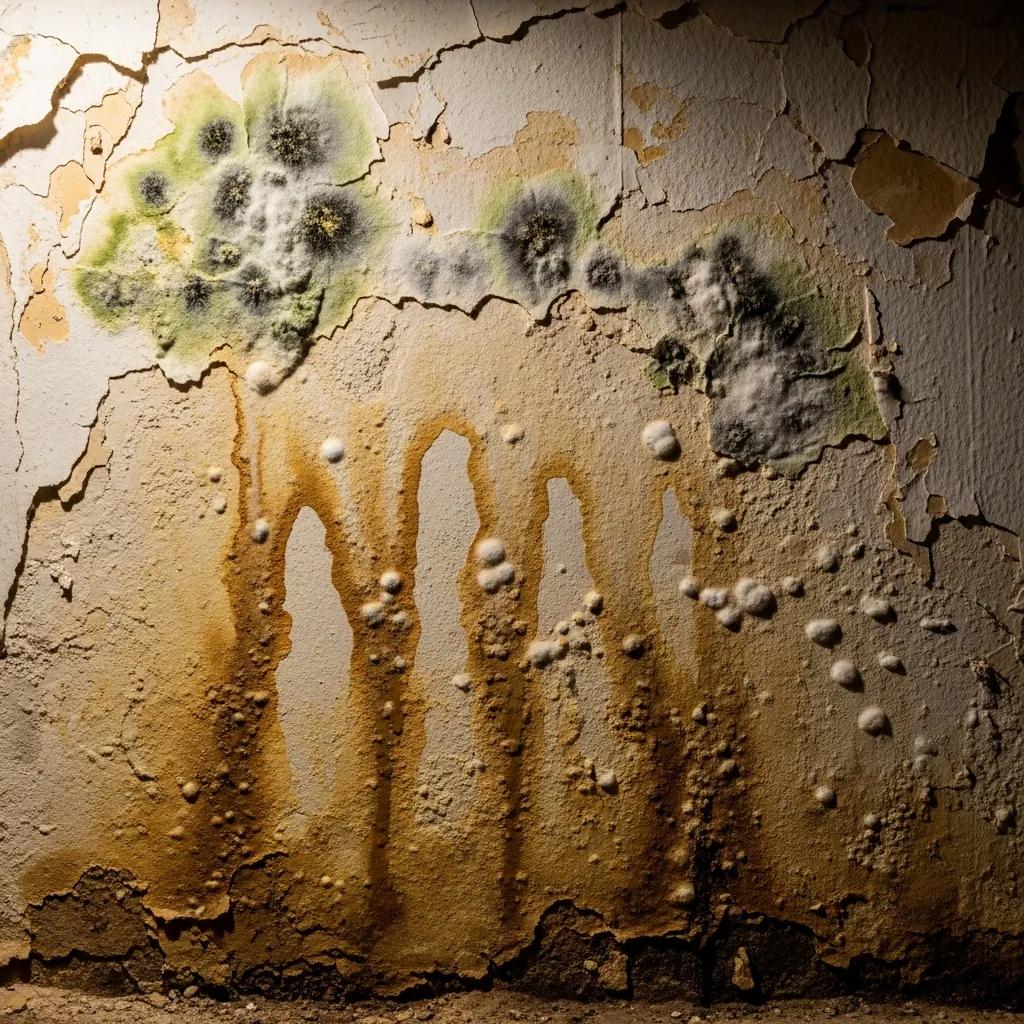
Home inspections in Toronto frequently reveal a handful of recurring problems. Being aware of these common defects helps buyers negotiate repairs or adjust offers effectively.
Research into housing quality in Toronto confirms that inadequate dwellings and the need for major repairs remain ongoing concerns for residents.
Toronto Housing Quality: Understanding Major Repairs
This spatial statistical study used Census data to examine inadequate dwellings across five census periods, aiming to better understand which homes need major repairs and why. The findings highlight that housing quality affects residents’ experience and point toward models for predicting repair needs.
A Spatial Statistical Understanding of Inadequate Dwellings in the City of Toronto, E Vaz, 2012
- Water Damage: Often appears in basements or around windows and doors; it can lead to mold growth and structural problems if left unchecked.
- Electrical Problems: Old or overloaded wiring and inadequate electrical service can pose serious safety hazards and may require costly updates.
- Roofing Issues: Missing shingles, leaks, or aging roofing materials can result in significant repair costs if not addressed promptly.
These common defects impact a home’s safety, livability, and resale value. Use inspection findings to negotiate repairs or price adjustments before finalizing your purchase.
How Can Buyers Schedule and Prepare for a Home Inspection in Toronto?
Start by choosing a qualified and licensed home inspector with extensive Toronto experience and strong references. Aim to book the inspection as soon as your offer is accepted to keep your timeline flexible and allow time for any necessary negotiations.
To get the most value from the home inspection, buyers should:
- Gather Documentation: Collect any available property records, previous inspection reports, or maintenance receipts to provide context to the inspector.
- Prepare Questions: Write down specific concerns or areas you want the inspector to focus on during the inspection.
- Be Present: Attend the inspection in person so you can observe issues firsthand and ask the inspector to explain findings clearly.
These steps help ensure a smooth inspection process and give you clearer insight into the property’s condition.
When Is the Best Time to Book a Pre Purchase Inspection?
Book your home inspection shortly after your offer is accepted so you have ample time to negotiate repairs or walk away if serious issues arise. Seasonal timing also matters — spring and fall often reveal weather‑related problems such as roof leaks or drainage issues more clearly. Consider current market conditions and your contingency deadlines when scheduling your inspection.
Steps to Prepare for Your Home Inspection Appointment
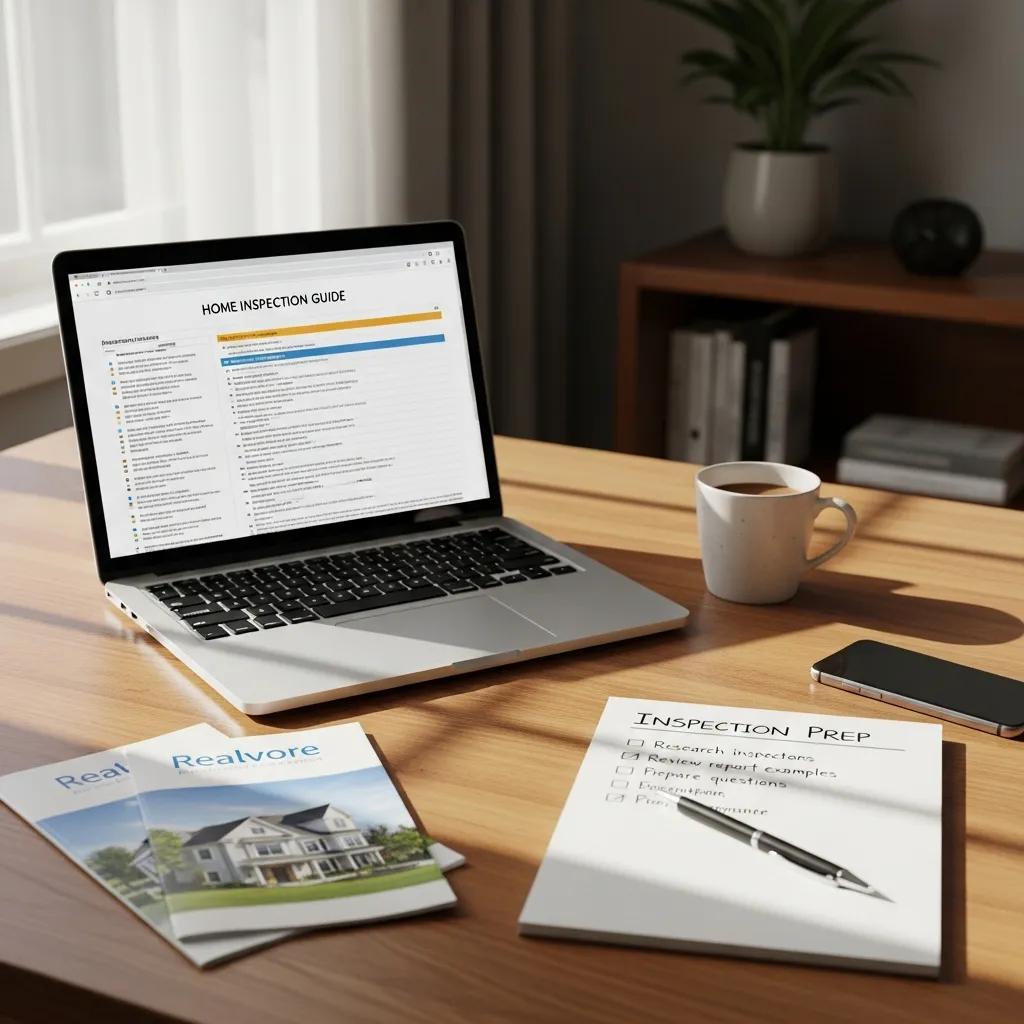
Before the inspector arrives, take a few practical steps to make the walkthrough efficient and informative. Buyers should:
- Create a Checklist: List your concerns and specific areas to ask about during the inspection to stay organized.
- Clear Access: Ensure attics, basements, electrical panels, and mechanical rooms are easily accessible for thorough inspection.
- Ask Questions: Be ready to discuss any findings with the inspector and inquire about the urgency and cost of necessary repairs.
These preparations help you get the most useful, actionable information from the home inspection.
How Does Homsy’s Commission Model Save Money on Home Inspections?
Homsy’s innovative commission model is designed to lower transaction costs for home buyers. By reducing commission expenses compared with traditional real estate agent models, Homsy frees up funds you can allocate toward important services like a comprehensive home inspection — giving you better protection without added fees or hidden costs.
Understanding Homsy’s Cost Saving Real Estate Commission Structure
Homsy maintains a straightforward and transparent commission structure. Lower commission rates mean buyers can save a significant amount on closing costs. These savings can be redirected toward home inspections, repairs, or other priorities that improve your confidence and security in the purchase.
Integrating Inspection Advisory Services with Commission Savings
In addition to commission savings, Homsy offers expert inspection advisory support to help buyers interpret inspection reports and prioritize necessary repairs. These advisory services complement the savings model to ensure clients fully understand inspection findings and make informed decisions about negotiations or repairs.
What Are Practical Real Estate Inspection Tips for GTA Home Buyers?
To maximize the value of your home inspection, consider these practical tips:
- Be Proactive: Schedule inspections early in the buying process to allow time for negotiation or arranging repairs.
- Understand the Report: Carefully read the inspection report and ask the inspector to clarify any technical or unclear items.
- Negotiate Repairs: Use documented issues from the inspection to request repairs, credits, or price adjustments before closing.
Following these steps helps you make confident, well‑informed decisions about your property purchase.
Using a Detailed Home Inspection Checklist Effectively
A thorough and detailed checklist keeps the inspection focused and ensures no important items are missed. Use it to guide the inspector and accurately record findings.
- Prioritize Key Areas: Focus first on the structure, major systems, and safety issues to identify critical concerns.
- Document Findings: Save the inspector’s notes, photos, and reports for future reference and negotiation leverage.
- Follow Up: Address urgent problems promptly and schedule any additional specialist inspections if recommended.
With a clear and organized checklist, buyers can turn inspection insights into concrete next steps and protect their investment.
Post Inspection Steps: Making Informed Buying Decisions
After receiving the home inspection report, take these important steps to move forward thoughtfully and confidently.
- Review the Findings: Identify major and minor issues, considering their cost, urgency, and impact on your decision.
- Consult with Professionals: Discuss repair estimates and options with your real estate agent, contractors, or specialists.
- Make a Decision: Decide whether to proceed with the purchase, request repairs or credits, or walk away based on the inspection results and professional advice.
These actions help you protect your investment and move ahead with clarity and confidence in your Toronto home purchase.